Sweden Adds 103 Electric Buses to Public Transit Fleets
Introduction: A Major Leap for Sustainable Urban Mobility
Sweden continues to solidify its position as a leader in green transportation with the announcement of 103 new electric buses destined for several cities across the country. This deployment marks a significant milestone in the transition from fossil-fuel-powered public transit to zero-emission alternatives. While the topic of fleet electrification may not grab headlines like flashy consumer EVs, the shift in heavy-duty vehicles such as buses has a profound impact on urban air quality and carbon reduction goals.
Which Swedish Cities Are Receiving the New Electric Buses?
The 103 buses will be distributed among major urban centers, including Stockholm, Gothenburg, and Malmö, as well as several mid-sized cities such as Uppsala, Linköping, and Helsingborg. Each city has been selected based on existing charging infrastructure and commitment to reducing transport emissions. The allocation is part of a broader national strategy to make public transit fully electric by 2030 in some municipalities.
Stockholm: Leading the Charge
Stockholm receives the largest share with 40 buses, replacing aging diesel models on high-ridership routes. The city already operates a mix of electric and hybrid buses, and this addition will push its electrified fleet to over 30% of total buses in service.
Gothenburg and Malmö: Expanding Zero-Emission Zones
Gothenburg will get 25 buses, focusing on routes serving the central business district and the university area. Malmö adds 20 buses, supporting its goal of a car-light inner city by 2030. Smaller allocations go to Uppsala (10 buses), Linköping (5 buses), and Helsingborg (3 buses), helping to create a network of electric corridors along major transit arteries.
Technical Specifications and Manufacturers
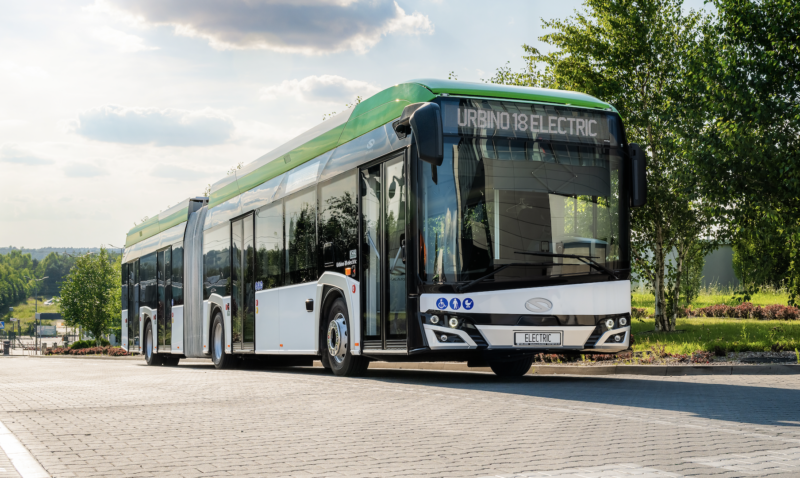
The buses are manufactured primarily by Volvo and Scania, with a smaller number from BYD and Solaris. Each bus features a range of approximately 250–300 kilometers on a single charge, sufficient for a full day of operation on most city routes without midday charging. The batteries are lithium-ion, with capacities ranging from 250 to 400 kWh depending on the model.
Charging Infrastructure Upgrades
To support the new fleet, cities are installing 150 kW and 300 kW depot chargers as well as pantograph fast chargers at key stops. For example, Stockholm’s Slussen terminal will have overhead charging that replenishes buses in 10 minutes during layovers. Gothenburg is also expanding its inductive charging pads embedded in the road at tram stops, allowing buses to charge wirelessly while passengers board.
Environmental and Economic Benefits
The switch to electric buses is expected to reduce CO2 emissions by approximately 20,000 metric tons per year across the fleet. Additionally, local air pollution—especially nitrogen oxides and particulate matter—will drop significantly in densely populated areas. According to the Swedish Transport Administration, electric buses are up to 80% cheaper to operate per kilometer than diesel equivalents when factoring in fuel and maintenance costs.
From a noise perspective, electric buses produce 50% less noise at low speeds, improving quality of life for residents along busy corridors. The transition also creates local jobs in manufacturing, installation, and servicing of charging infrastructure.
Challenges and Solutions
Range anxiety remains a concern for transit operators, especially during Swedish winters when cold temperatures can reduce battery efficiency by 20–30%. To mitigate this, buses are equipped with heat pumps and preconditioning systems that warm the cabin using grid power before departure, preserving battery charge for propulsion. Additionally, adaptive route planning ensures that only buses with adequate range are assigned to longer routes.
Grid Capacity and Renewable Energy
Another challenge is ensuring the electrical grid can handle the additional load. Sweden’s grid is already among the greenest in Europe, with over 80% of electricity from hydro and nuclear power. Local grid upgrades are underway, and some depots are installing battery storage systems to smooth peak demand. In Malmö, a solar carport at the bus depot generates part of the energy needed for charging.
Policy Support and Funding
The purchase of these 103 buses was made possible through a combination of national subsidies (via the Swedish Environmental Protection Agency’s Klimatklivet program) and local municipal budgets. The European Union’s CEF (Connecting Europe Facility) also contributed to charging infrastructure. Sweden’s goal is to have 100% fossil-free public transit by 2030, and this order represents a tangible step.
Looking Ahead: More Electric Buses on the Horizon
The success of this rollout will inform future orders. Transit agencies in cities like Uppsala and Linköping are already planning to electrify additional routes. Nationwide, Sweden expects to have over 5,000 electric buses by 2030, up from roughly 500 in 2023. This latest batch of 103 buses proves that the momentum is strong and that Sweden is on track to meet its ambitious climate targets.