How to Conduct Inclusive UX Research: A Practical Guide from Dr. Michele Williams
Introduction
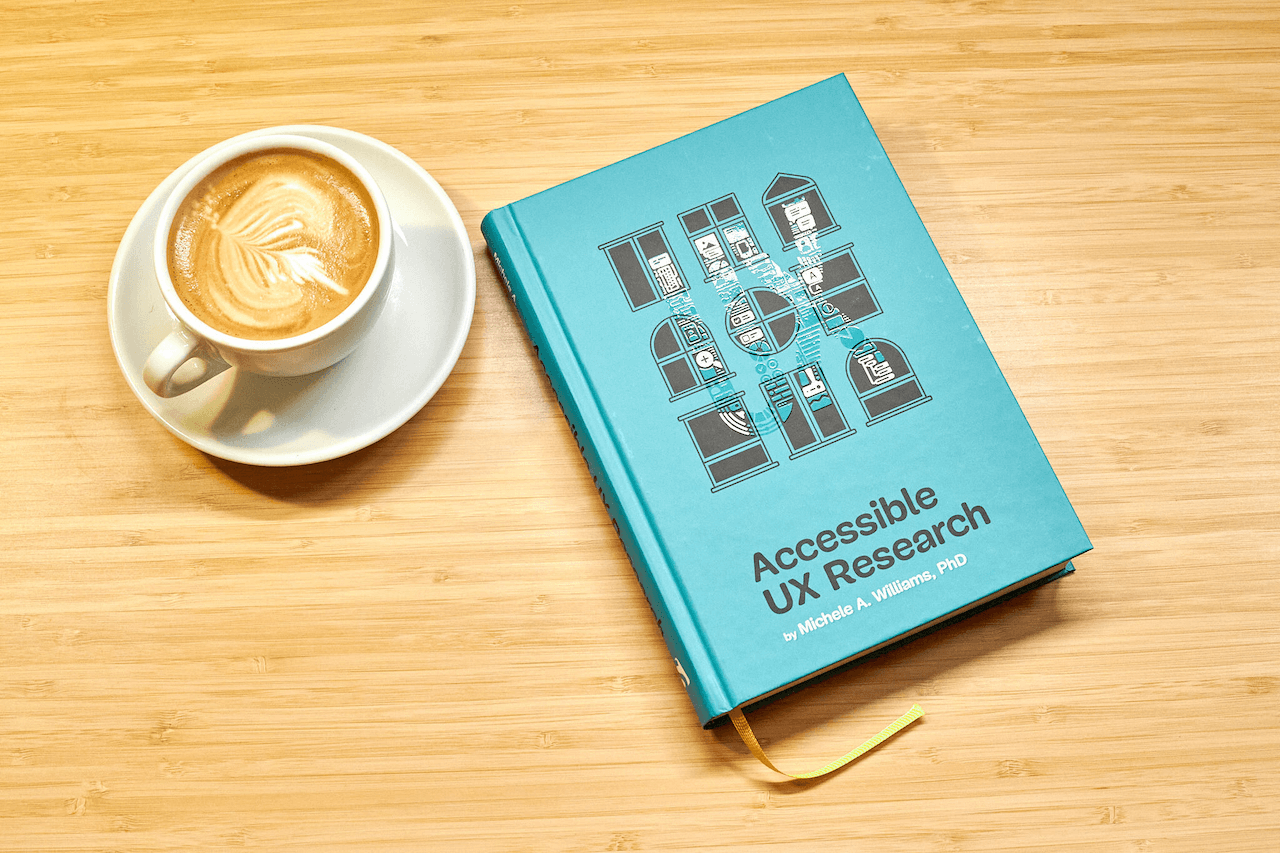
Great user research is the backbone of successful products – it removes guesswork, prevents costly mistakes, and ensures designs truly serve people. But research is only as effective as it is inclusive. When we test with users of different abilities and backgrounds, we build products that work for everyone, not just the average user. This step-by-step guide, inspired by Dr. Michele Williams' new book Accessible UX Research, will help you plan and execute research that is both reliable and welcoming to all participants. Whether you're a beginner, an accessibility advocate, or a developer looking to deepen your understanding, these steps will set you on the path to more inclusive, impactful research.
What You Need
- A clear research plan – Define goals, timeline, and budget for your study.
- Recruitment channels – Platforms or organizations that help you reach disabled participants (e.g., disability community groups, social media, specialist panels).
- Testing environment – A physical or virtual space that accommodates various access needs (e.g., quiet, well-lit, screen-reader-friendly tools).
- Assistive technologies – Examples include screen readers, magnification software, voice input tools, and switch devices. Ensure your team is familiar with them.
- Ethics materials – Consent forms that are accessible (plain language, large print, audio versions) and a plan for participant compensation.
- Recording tools – Reliable screen-capture and audio/video recording software, with backup options.
- Team buy-in – Support from your manager and colleagues to prioritize inclusive practices.
- A learning mindset – Willingness to challenge assumptions and adapt your methods.
Step-by-Step Guide
- Plan Research with Inclusion from the Start
- Recruit Participants with Disabilities
- Facilitate Accessible Sessions
- Ask Unbiased, Inclusive Questions
- Build Team Confidence in Accessibility
- Challenge Assumptions and Move Beyond Compliance
Step 1: Plan Research with Inclusion from the Start
Inclusive research begins before you even recruit a single participant. Start by reviewing your research questions through an accessibility lens. Ask: Could this study inadvertently exclude someone with a vision, hearing, motor, or cognitive disability? Adjust your methodology early. For example, if you plan a remote unmoderated test, ensure the platform works with assistive technologies. If you're running a moderated session, plan extra time for each participant to accommodate different communication styles. Document your accessibility checklist and share it with your team. By planning inclusion upfront, you avoid costly redesigns later and send a clear message: every user matters.
Step 2: Recruit Participants with Disabilities
Recruiting people with disabilities requires intentional outreach. Partner with disability advocacy organizations, post on accessibility-focused forums, and use social media accounts that serve disabled communities. Be transparent about what the study involves and the accommodations you provide. Offer flexible scheduling and compensation that respects the participant's time and expertise. Avoid tokenism – include multiple participants with a range of disabilities, not just one person to “cover” that user group. Remember that disabled users are experts in their own experience. Treat them as collaborators, not subjects.
Step 3: Facilitate Accessible Sessions
The testing environment must be welcoming and functional for all. Before each session, check that assistive technologies are working correctly. For in-person studies, ensure physical access (wide doorways, adjustable tables, clear signage). For remote sessions, use a platform that supports real-time captioning, screen reader compatibility, and keyboard navigation. Offer participants choices: video on/off, chat or voice, breaks as needed. During the session, be patient and adapt your pace. Ask participants about their preferred communication method – some may use sign language interpreters or speech-to-text software. Document what worked and what didn't for future reference.
Step 4: Ask Unbiased, Inclusive Questions
Bias can creep into your questions without you realizing it. Avoid leading questions like “Don't you find this button easy to use?” Instead, use open-ended prompts: “What is your experience with this feature?” Be aware of assumptions about ability – don't ask “Can you see the error message?” if a participant uses a screen reader. Phrase questions neutrally and pilot test them with a diverse group, including people with disabilities. Also, examine your own biases. Dr. Williams suggests keeping a reflection journal to note where your expectations might have influenced the research. Use that insight to improve future studies.
Step 5: Build Team Confidence in Accessibility
Inclusive research is a team sport. Share your findings and methods with developers, designers, and managers to build confidence around accessibility. Create clear reports that highlight how inclusive practices led to better product decisions. Host lunch-and-learns or workshops where team members can try out assistive technologies themselves. When the team sees that accessibility isn't a burden but an opportunity for innovation, they'll be more motivated to incorporate it. Celebrate small wins – like a design change that improved usability for everyone – to reinforce positive behaviors.
Step 6: Challenge Assumptions and Move Beyond Compliance
Finally, push past the idea that accessibility is just about checking boxes. Dr. Williams encourages readers to reframe disability as a natural part of human diversity. Instead of aiming for minimum legal compliance, strive for genuine inclusion. Question stereotypes: Who defines “normal” use? How might our product exclude someone we haven't thought of? Use your research results to advocate for design changes that benefit a broader range of users. Remember, inclusive research isn't a one-time task – it's an ongoing commitment to learning and growth.
Tips for Success
- Start small. You don't need a perfect setup from day one. Try one inclusive practice per study and build from there.
- Listen more than you speak. Let participants guide you on what they need. Their expertise is invaluable.
- Document everything. Keep notes on what accommodations were used, what worked, and what could be improved. This becomes a treasure trove for future studies.
- Compensate fairly. Recognize that participants are contributing their time and expertise. Pay them what you would pay any expert consultant.
- Share your learnings. Write a blog post, present at a conference, or publish a case study. The more we share inclusive research practices, the more we normalize them.
- Keep learning. Dive into resources like Dr. Michele Williams' Accessible UX Research book. It's packed with practical strategies, real-world examples, and a powerful call to move beyond compliance.