Rocsys M1: The Hands-Free Charging Revolution for Autonomous Taxis
Rocsys has introduced a groundbreaking solution for charging autonomous taxi fleets. Their new M1 system is the first hands-free charging unit that can serve multiple vehicle bays without any human intervention. Alongside this launch, the company secured $13 million in Series A extension funding to scale operations globally. Below, we answer key questions about this innovation.
What Is the Rocsys M1 Charging System?
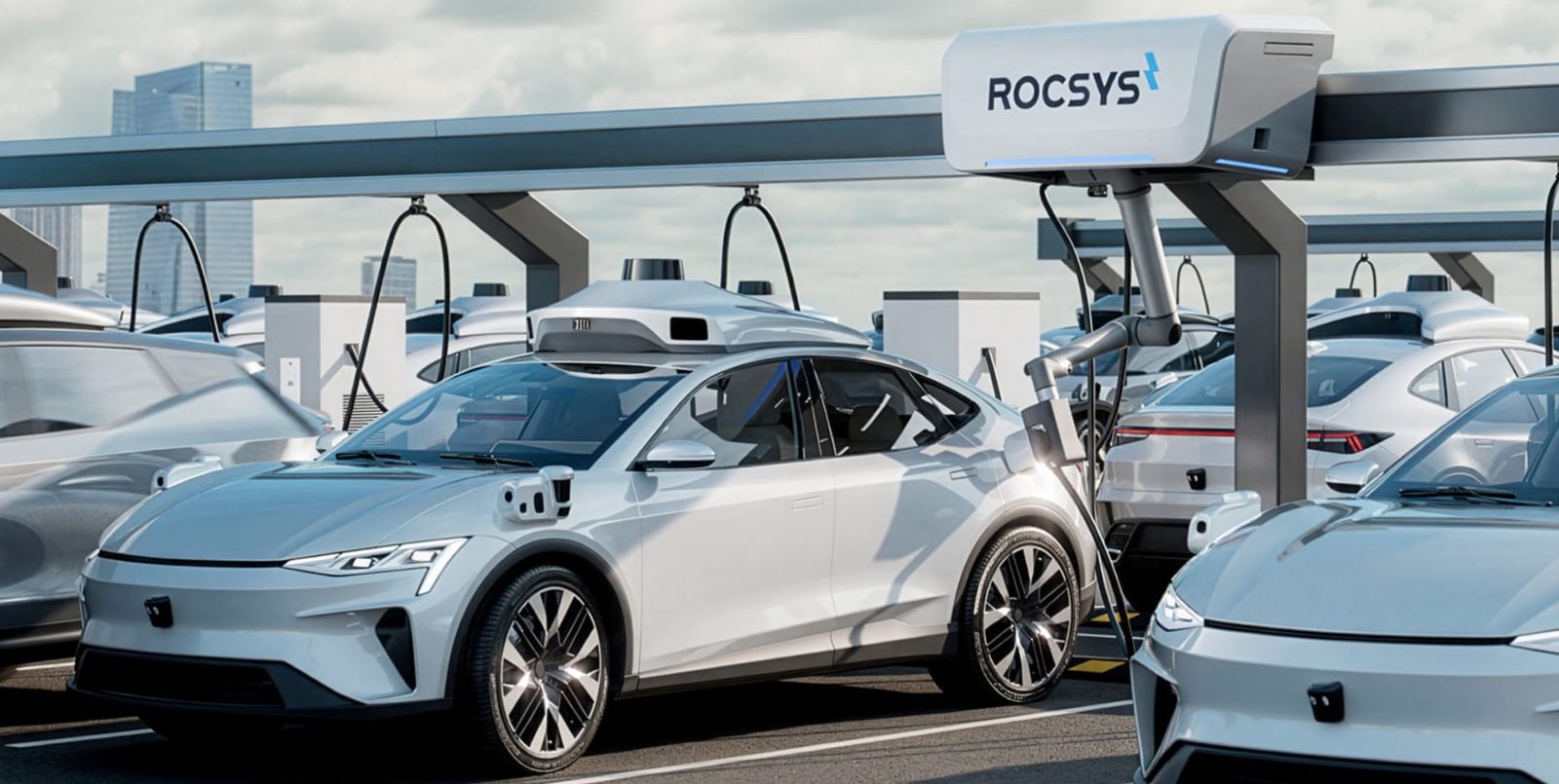
The Rocsys M1 is a robotic charging system designed specifically for robotaxi depots. It is mounted overhead and can autonomously connect to and charge vehicles across up to ten different bays without any human involvement. Unlike traditional plug-in chargers, the M1 uses a robotic arm and computer vision to locate the charging port on each vehicle, making it truly hands-free. This eliminates the need for human operators to plug and unplug cables, which is crucial for large-scale autonomous fleet operations where efficiency and safety are paramount.
How Does the M1 Operate in a Depot?
The M1 unit is fixed to the ceiling or a gantry above the parking bays. When a robotaxi arrives and parks in a designated spot, the system uses sensors and cameras to detect the vehicle's exact position and charging port location. A robotic arm then extends and connects the charging connector automatically. The system can rotate or move along a rail to serve multiple bays sequentially. Rocsys claims the process takes only a few seconds of physical connection time, allowing high throughput in busy depots. The entire operation is managed via software that integrates with fleet management systems.
What Is the Funding and Company’s Background?
Rocsys is a Dutch-American company that has now raised a total of $56 million after securing a $13 million Series A extension. The new funding came from investors including Silicon Valley Bank and other strategic partners. The company was founded in 2019 with a mission to automate electric vehicle charging for commercial fleets. Prior to this, they had developed robotic charging solutions for ports and industrial vehicles. The M1 marks their entry into the robotaxi market, which they view as a high-growth segment requiring contactless, reliable charging infrastructure.
When Will the M1 Be Deployed at Scale?
Rocsys plans to begin scaling the M1 across North America and Europe starting in 2027. This timeline allows for further product refinement, regulatory approvals, and pilot partnerships with robotaxi operators. The company aims to deploy the system in cities where autonomous taxi services are already operational, such as San Francisco, Phoenix, and certain European hubs. The extra funding will support manufacturing expansion and software development to ensure seamless integration with different vehicle models from various automakers.
What Are the Benefits for Robotaxi Operators?
The M1 system offers several advantages. First, it significantly reduces labor costs because no human is needed to connect or disconnect chargers. Second, it improves depot efficiency by allowing continuous charging without waiting for staff. Third, the hands-free design reduces wear and tear on connectors and cables compared to manual plugging. Fourth, it enhances safety by keeping people away from high-voltage equipment and moving vehicles. Finally, the system can be integrated with charging schedules to optimize energy costs and grid load, making robotaxi operations more economical and sustainable.

Can the M1 Work with Different Vehicle Models?
Yes, the M1 is designed to be compatible with a wide range of electric vehicles used in robotaxi fleets. Its computer vision system can recognize different charging port locations and connector types. The robotic arm adjusts its approach based on the vehicle's specific geometry. Rocsys says they are working with major automakers and fleet operators to ensure compatibility with popular models like the Waymo Jaguar I-Pace, Cruise Origin, and others. The system can also be updated via software to support new vehicle models as they enter the market, making it a future-proof investment.
How Does This Compare to Wireless Charging?
Wireless or inductive charging is another hands-free technology, but it has lower efficiency (around 85-90%) compared to conductive charging (over 95%). The M1 uses a physical connection but automates the process, achieving the high efficiency of wired charging without human effort. Wireless charging also requires additional hardware on the vehicle, such as receiver pads, which adds weight and cost. The M1 leverages existing vehicle charging ports and does not require modification to the car. For depot operations where vehicles are parked for extended periods, the higher efficiency and lower infrastructure cost of the M1 are compelling advantages.
What Is the Future Outlook for Rocsys?
Rocsys sees a massive opportunity as robotaxi fleets expand globally. The company estimates that by 2030, millions of autonomous taxis will require automated charging solutions. With $56 million in funding and a product like the M1, they are well-positioned to capture a significant market share. Future developments may include integration with vehicle-to-grid (V2G) technology and support for larger depots with more than ten bays. The company also plans to license its technology to other charging manufacturers. Ultimately, Rocsys aims to become the standard for depot charging in the autonomous vehicle industry.