The Shifting Lights of Earth at Night: Insights from NASA's Black Marble Project
Introduction
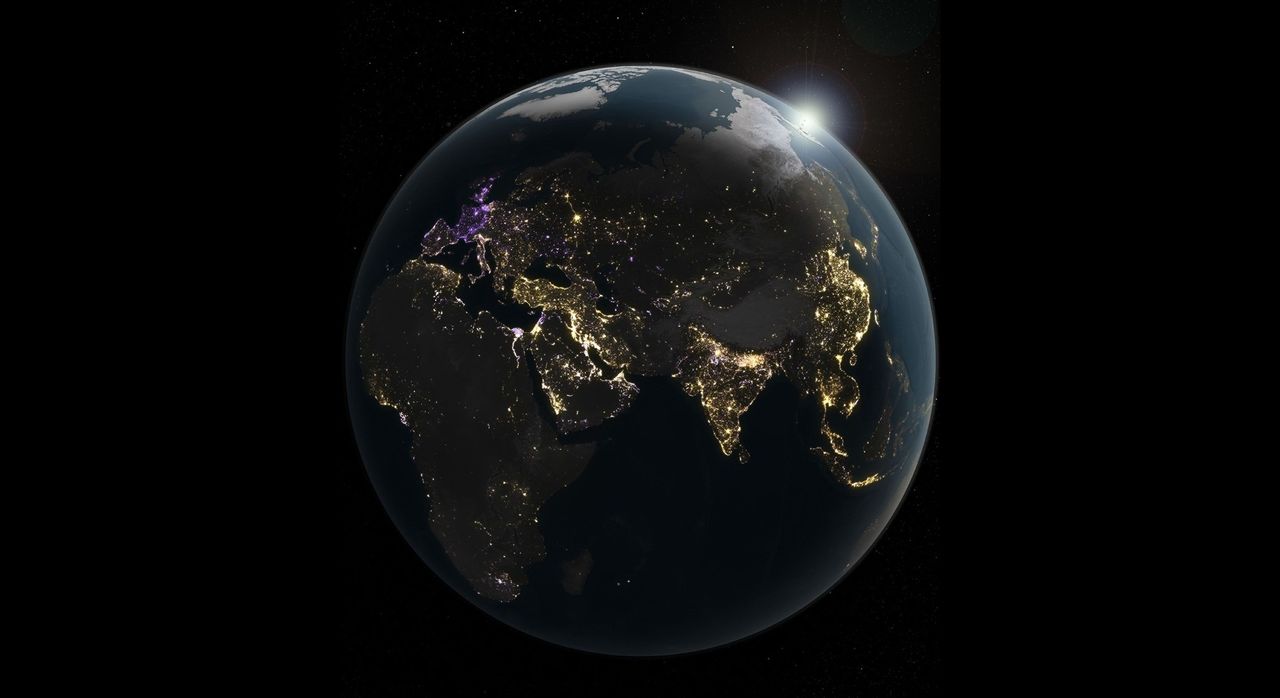
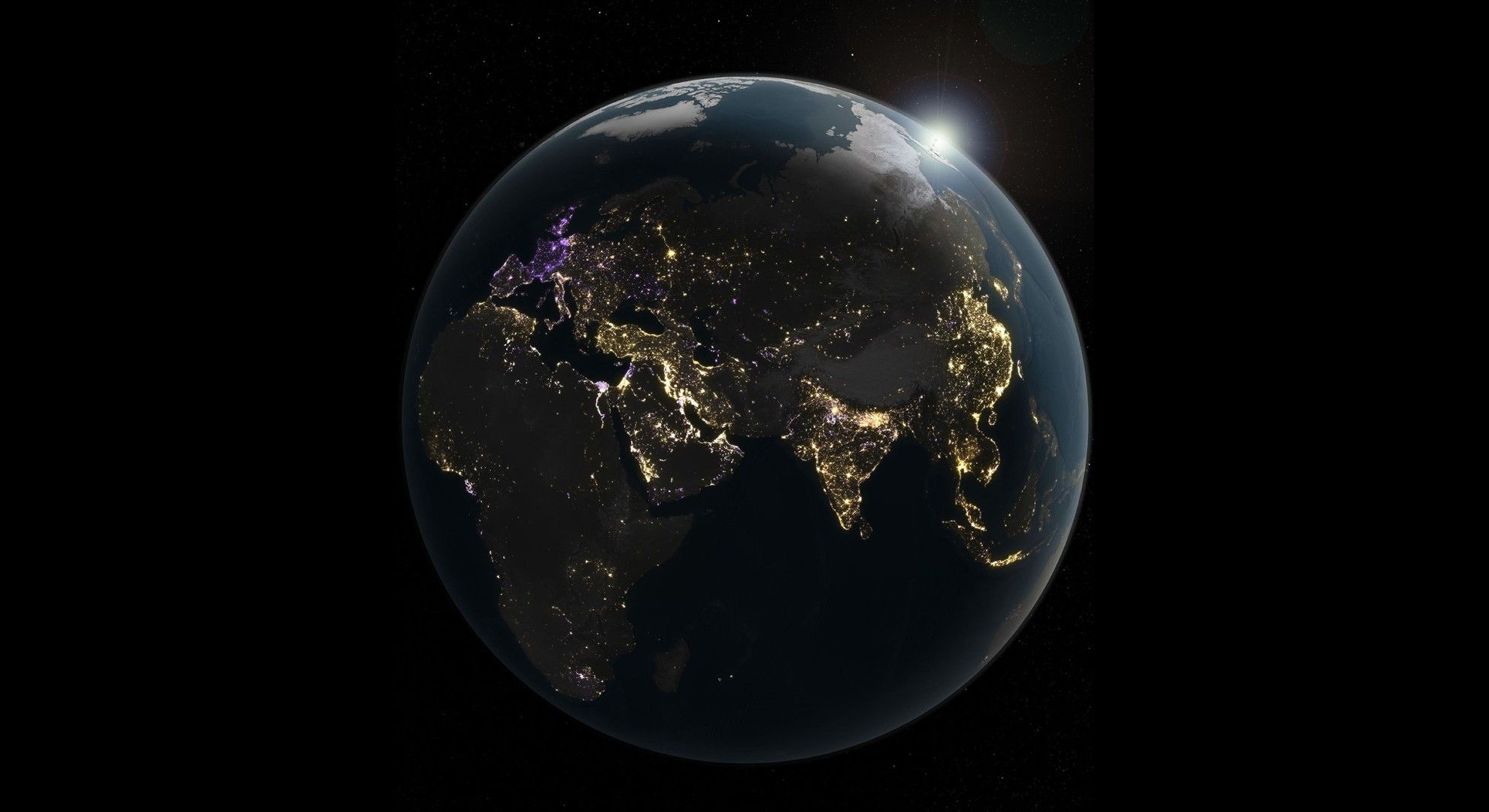
When you look at satellite images of Earth at night, the planet appears as a glittering web of city lights, sprawling across continents like a cosmic circuit board. But is our world actually getting brighter? The answer, according to new data from NASA's Black Marble project, is far more nuanced than a simple yes or no. For nearly a decade, this ambitious initiative has used satellite observations to track the ebb and flow of human nighttime activity—from urbanization and economic growth to natural disasters and conservation efforts. The result is a constantly shifting portrait of how we illuminate our planet, revealing both progress and peril.
What Is the Black Marble Project?
The Black Marble project is a NASA research program that processes raw data from the Suomi National Polar-orbiting Partnership (NPP) satellite, specifically the Visible Infrared Imaging Radiometer Suite (VIIRS) instrument. Unlike earlier nighttime sensors, VIIRS is sensitive enough to detect faint urban lights, gas flares, fishing boats, and even lightning flashes. By removing interference from moonlight, clouds, and seasonal snow cover, the project produces a clear, year-round view of Earth's artificial lighting patterns. It's the most comprehensive long-term dataset of its kind, spanning from 2012 to the present.
A Decade of Nighttime Change
Analyzing nearly ten years of data, researchers have documented a dynamic landscape. Some regions are indeed growing brighter: developing nations in Asia and Africa show widespread increases in artificial lighting, often correlated with economic expansion and electrification. India, for example, has seen a dramatic surge in night lights as rural areas gain access to electricity. But the global picture is not a straight line upward.
The Complexities of Brightness Trends
Contrary to a simple narrative of constant brightening, the Black Marble imagery reveals a complicated interplay of gains and losses. Economic recessions, energy-saving initiatives, and natural disasters can cause local dimming. During the COVID-19 pandemic, many cities worldwide experienced a temporary drop in nighttime brightness as businesses closed and travel halted. In conflict zones like Syria and Ukraine, entire cities fade from view amid blackouts and infrastructure destruction.
Moreover, the shift toward LED lighting has created a paradox. LEDs are far more energy-efficient than older sodium or mercury vapor lamps, so a city may actually appear dimmer to satellite sensors even as it uses less power. At the same time, LEDs typically emit more blue light, which scatters differently in the atmosphere—altering how the brightness is measured from space. This technological transition makes it difficult to directly compare brightness across years without careful calibration.
Ecological and Human Implications
These changes are more than just a visual curiosity. The spread of artificial light at night has significant ecological impacts, disrupting migration patterns of birds and sea turtles, altering predator-prey relationships, and affecting human health by suppressing melatonin production. The Black Marple project helps scientists quantify these trends, informing conservation strategies and lighting policy decisions. For instance, researchers can identify critical habitats that are becoming increasingly illuminated and recommend measures like shielded fixtures or dynamic curfews for outdoor lighting.
Implications and Future Observations
The new images from the Black Marble project underscore that Earth's nightscape is not simply growing brighter or darker—it is transforming in complex ways. Urban sprawl continues to spread light into previously dark rural areas, while some densely populated cities become more efficient in their lighting. Understanding this mosaic is crucial for urban planners, environmental managers, and climate scientists. As VIIRS and future sensors continue to monitor the planet, we will gain deeper insights into how human activity literally shapes the face of Earth after dark.
NASA plans to extend the Black Marble dataset for at least another decade, providing an unprecedented long-term record of human nighttime behavior. Combined with other Earth-observing data, this may allow researchers to detect early warnings of economic shifts, monitor the effectiveness of dark-sky reserves, and even estimate changes in carbon emissions tied to lighting. The nightly glow of our planet tells a story of where we live, how we work, and what we value—and it is a story that grows more intricate every year.