How to Determine If Your RTX 5090 or Apple Silicon Is Best for Running Massive Local LLMs
Introduction
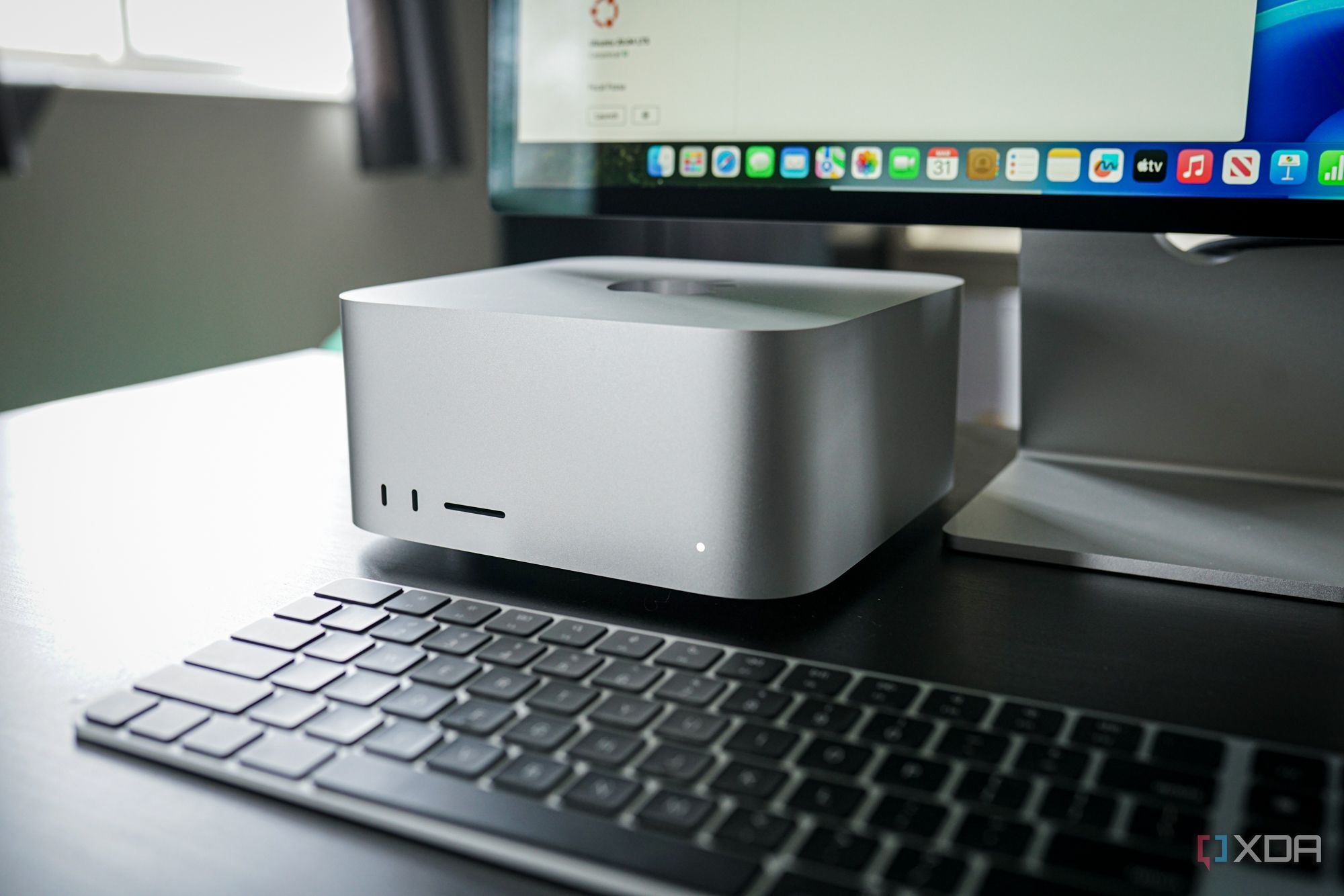
After years of perfecting a high-end gaming rig equipped with an NVIDIA RTX 5090 and an AMD Ryzen 7 9800X3D, I assumed it would crush every computational task I threw at it. But when I started running the largest local language models (LLMs), I hit a wall. Meanwhile, colleagues on Apple Silicon Macs were breezing through the same models. This guide will walk you through the steps to evaluate whether your RTX 5090 PC or an Apple Silicon Mac is better suited for your local LLM workloads — based on my own painful yet enlightening experience.
What You Need
- A PC with an NVIDIA RTX 5090 (or similar high-end GPU) and ample system RAM
- An Apple Silicon Mac (M1 Max, M2 Ultra, M3 Max, or newer) with unified memory
- A large open-source LLM such as Llama 3 70B, Mixtral 8x22B, or Falcon 180B
- LLM inference software (e.g., llama.cpp, Ollama, LM Studio) installed on both systems
- Benchmarking tools like llama-bench or a simple Python script to measure tokens per second
- A stopwatch or performance monitoring software (optional but helpful)
Step-by-Step Guide
Step 1: Identify the Memory Requirements of Your Target LLM
The first step is to understand the memory footprint of the LLM you want to run. Larger models with more parameters (e.g., 70B, 180B) require significant memory. For instance, Llama 3 70B in 16-bit float needs about 140 GB of memory. Even with quantization (e.g., 4-bit), it still demands roughly 35 GB. Write down the model size and your target quantization level.
Step 2: Compare VRAM Capacity vs Unified Memory
Next, check your hardware limits. The RTX 5090 typically has 24 GB of VRAM. Apple Silicon Macs can be configured with up to 192 GB of unified memory (e.g., M2 Ultra). The key difference: The RTX 5090 must transfer data between its 24 GB VRAM and system RAM if the model exceeds VRAM, causing severe slowdowns. Apple’s unified memory is a single pool accessible by both CPU and GPU, allowing models up to the full RAM size to run efficiently. For models that fit entirely in VRAM (24 GB or less), the RTX 5090 may be faster. For anything larger, Apple Silicon often wins.
Step 3: Benchmark Throughput Using a Standard Prompt
Now, run a practical test. On each system, load the same model (using the same quantization and context length) and measure the generation speed in tokens per second. Use a tool like llama-bench or the built-in performance stats in Ollama. For example, with Llama 3 70B 4-bit quantized:
- On RTX 5090: if the model fits in VRAM, expect ~30–40 tokens/second (depending on quantization). If it spills to system RAM, throughput may drop below 5 tokens/second.
- On Apple Silicon (M2 Ultra 96 GB): expect a steady ~20–30 tokens/second for the same model, but with no memory spillage.
Record both numbers.
Step 4: Evaluate Latency and Context Window Size
Throughput isn’t everything. Consider latency per token and how large your context window can be. Large context windows (e.g., 128K tokens) require more memory. On the RTX 5090, a long context may force memory swapping, drastically increasing latency. On Apple Silicon, the unified memory allows longer contexts without swapping. Use a long prompt (e.g., a lengthy conversation or document) and measure the time to generate the first token (prefill time) and overall response time.
Step 5: Consider Thermal and Power Constraints
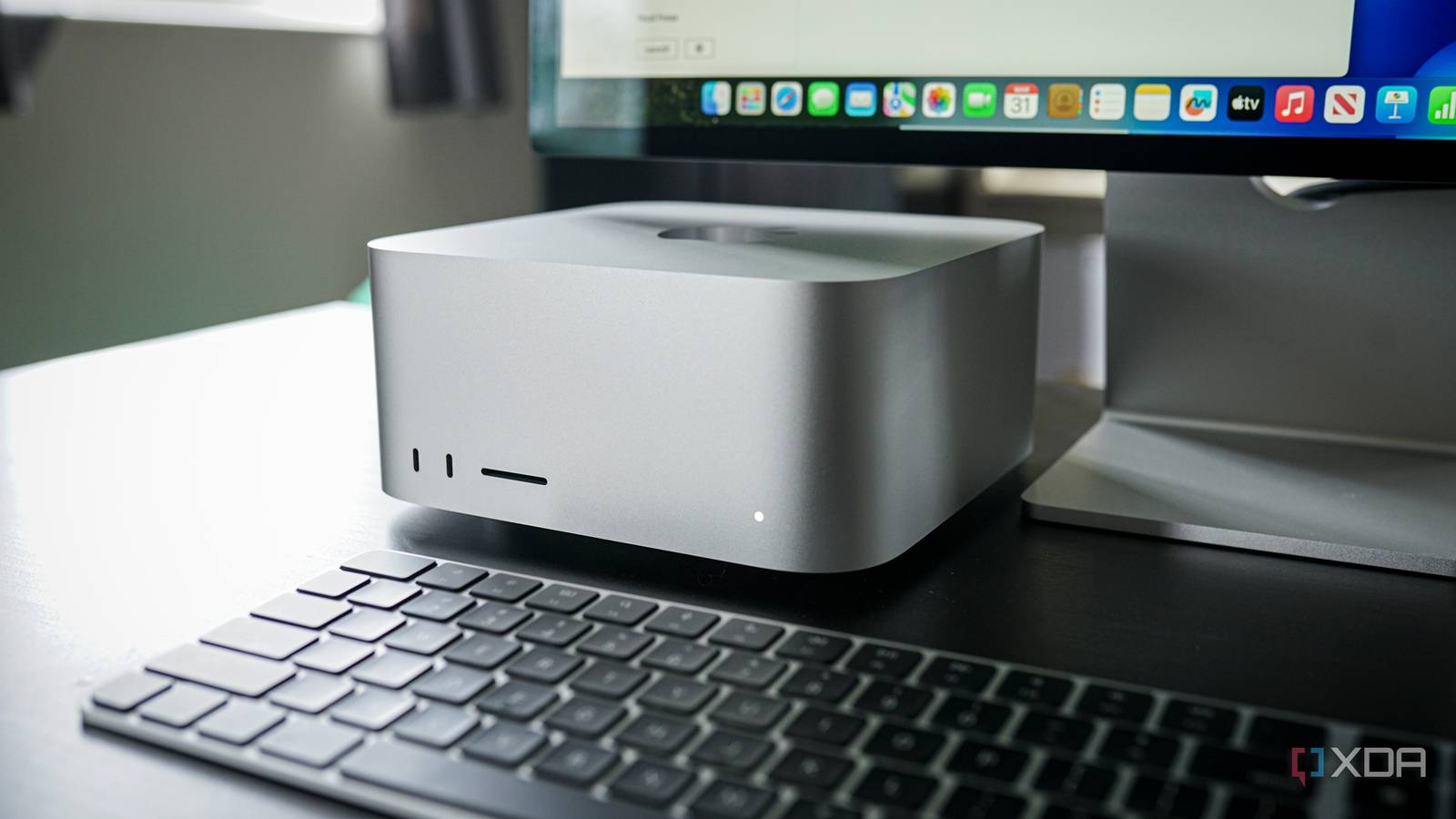
Don’t overlook the physical environment. The RTX 5090 draws up to 450W under load, requiring a robust cooling setup and potentially noisy fans. Apple Silicon Macs are remarkably efficient, often staying cool and quiet while delivering similar performance for LLMs. If you need to run models for hours, the Mac’s energy efficiency and lower heat output might be a deciding factor — especially in a shared workspace.
Step 6: Make an Informed Choice Based on Your Workload
Combine your findings. If your primary models fit in VRAM (≤24 GB), the RTX 5090 is likely faster and more cost-effective for high-throughput inference. If you work with models exceeding VRAM (most recent 70B+ models), Apple Silicon’s unified memory offers a smoother, more reliable experience with lower latency and no thrashing. Also consider your ecosystem: you may prefer Windows/Linux for other tasks, or macOS for development. Ultimately, my tests showed that for the biggest local LLMs, Apple Silicon delivers better practical performance — a hard truth for a dedicated PC builder.
Tips for Optimizing Your Setup
- Use quantization aggressively: 4-bit quantized models often lose minimal quality but cut memory requirements by 75%. Test with Q4_K_M or Q5_K_M in llama.cpp.
- Enable GPU offloading on RTX 5090: Use
--n-gpu-layersin llama.cpp to move as many layers to VRAM as possible. On Mac, this is automatic. - Monitor system memory pressure on macOS using Activity Monitor. If swap usage appears, your model is too large.
- Consider model distillation or smaller variants (e.g., Llama 3 8B) if you don’t need full 70B capability.
- Keep your drivers and software updated — new optimizations (e.g., Metal Performance Shaders on Mac, CUDA updates on PC) can improve speeds by 10–20%.
- For mixed workloads, you might use your PC for gaming and smaller models, and a Mac for massive LLM inference. Many professionals run both systems.