Southern California Ports Go Electric: MDB Transportation Tests Tesla Semi in Real-World Freight Operations
Electric trucks are making their way into one of America's busiest freight hubs. MDB Transportation, a drayage specialist based in Compton, California, has kicked off a three-week pilot program using a Tesla Semi to haul containers through active port lanes. This trial marks the second time a port trucking company has put the electric Class 8 truck to work on real drayage routes. Below, we break down the key questions surrounding this pilot.
What exactly is MDB Transportation testing with the Tesla Semi?
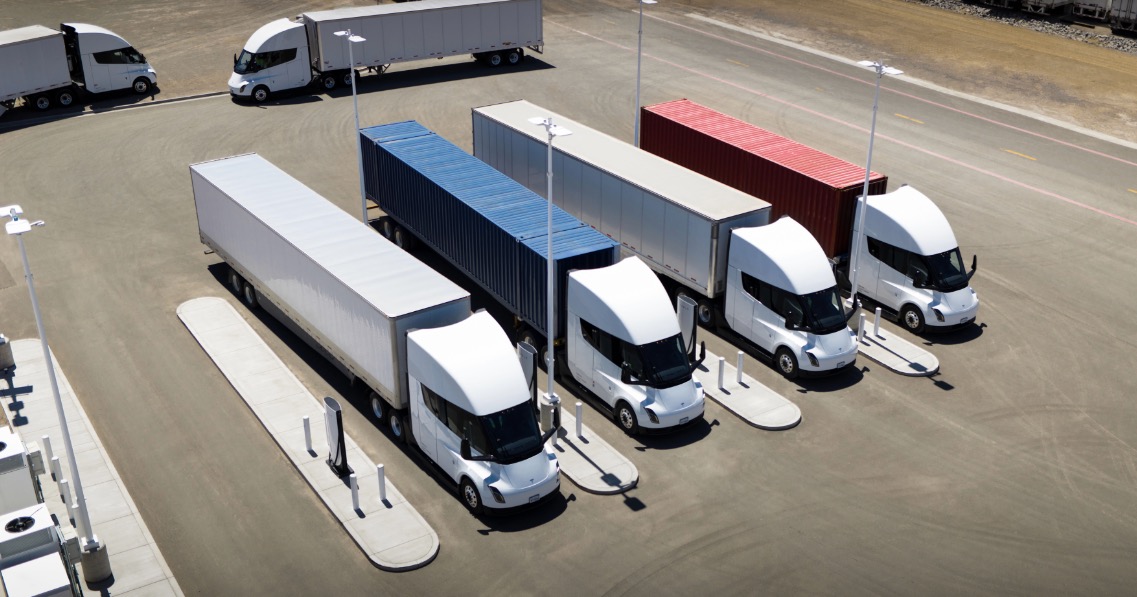
MDB Transportation, a Southern California drayage operator, has launched a three-week pilot program that puts a Tesla Semi to work on active port freight lanes. The company is evaluating the truck's performance in one of the most demanding urban freight environments in the country. Specifically, they are tracking energy efficiency, cycle time (how long it takes to complete a round trip from port to customer and back), and the driver experience. This real-world data will help determine whether the electric Class 8 truck can replace diesel-powered rigs in day-to-day drayage operations.
Where is the Tesla Semi pilot taking place?
The pilot is taking place in and around the Ports of Los Angeles and Long Beach, the busiest container port complex in the United States. MDB Transportation, based in Compton, California, operates in this dense urban freight corridor. The routes include short-haul drayage trips—moving containers from the port terminals to nearby warehouses and rail yards—which are ideal for electric trucks because of their predictable mileage and frequent stop-and-go traffic. This environment puts the Tesla Semi's range and regenerative braking to the test.
Why is this pilot significant for the trucking industry?
This pilot is the second time a port trucking company has used a Tesla Semi for real drayage work. It signals growing interest in electrifying short-haul freight, which is a major source of diesel emissions in port communities. Success here could encourage other drayage operators to adopt electric trucks, helping California meet its ambitious zero-emission vehicle goals. Moreover, the data collected on energy efficiency and cycle time will be invaluable for fleets considering the switch from diesel to electric, especially in heavy-duty applications where battery range and charging infrastructure remain key concerns.
What specific metrics is MDB tracking during the three-week test?
MDB is monitoring three primary performance indicators: energy efficiency (kilowatt-hours per mile and cost per mile), cycle time (the total time from leaving the yard to returning after a complete delivery run), and driver experience (including comfort, ease of operation, and feedback on regenerative braking and handling). The company also tracks how the Tesla Semi performs in heavy traffic, how quickly it can charge between shifts, and whether it can handle the typical weight of a loaded container without compromising range. All data is compared against their diesel fleet benchmarks.

Who is MDB Transportation and what do they do?
MDB Transportation is a drayage operator based in Compton, California. Drayage refers to the short-distance movement of freight containers between ports, rail terminals, and warehouses. The company specializes in hauling containers to and from the Ports of Los Angeles and Long Beach, often running multiple trips per day. They are part of a critical logistics chain that keeps goods moving from ships to inland distribution centers. By testing the Tesla Semi, MDB is positioning itself as an early adopter of electric trucking technology in the competitive Southern California freight market.
How does this pilot compare to other Tesla Semi trials?
While several companies have tested the Tesla Semi for long-haul routes (like PepsiCo's beverage delivery fleet), MDB's pilot focuses on port drayage, which is a distinct use case. Drayage involves shorter distances (typically under 100 miles per round trip), frequent stops, and heavy loads. This trial is particularly important because it demonstrates the truck's viability in a high-density urban environment with intense traffic and strict emissions regulations. Being the second port trucking company to try the Semi (the first was Schneider for a similar drayage test in 2022), MDB's results will add to the limited but growing body of real-world data on electric Class 8 trucks in port operations.
What are the potential benefits of electric drayage trucks like the Tesla Semi?
If successful, electric drayage trucks could offer major advantages: zero tailpipe emissions, which improves air quality in port-adjacent neighborhoods; lower fuel costs (electricity is cheaper per mile than diesel); quieter operation, reducing noise pollution in urban areas; and reduced maintenance due to fewer moving parts. For drayage operators, the predictable, short routes make charging logistics easier—trucks can be recharged overnight or between shifts. California's Advanced Clean Fleets rule will also require an increasing percentage of zero-emission trucks by 2035, making pilots like MDB's a critical step toward compliance.